

We’ve all heard someone say they’ve had a “dodgy tummy” or a “bout of food poisoning”. But for those of us in the food industry, it’s much more than a temporary inconvenience—it’s a serious public health issue and a major business risk.
A foodborne illness is any illness caused by consuming food or drink contaminated with harmful bacteria, viruses, parasites, or toxins. It can range from mild discomfort lasting a few hours to life-threatening conditions requiring hospitalisation.
And for your business? It can mean everything from lost customers to complete closure.
What Causes Foodborne Illness?
At its core, foodborne illness is about contamination.
And contamination happens more easily than you might think.
Microbiological Contamination: The Main Culprit
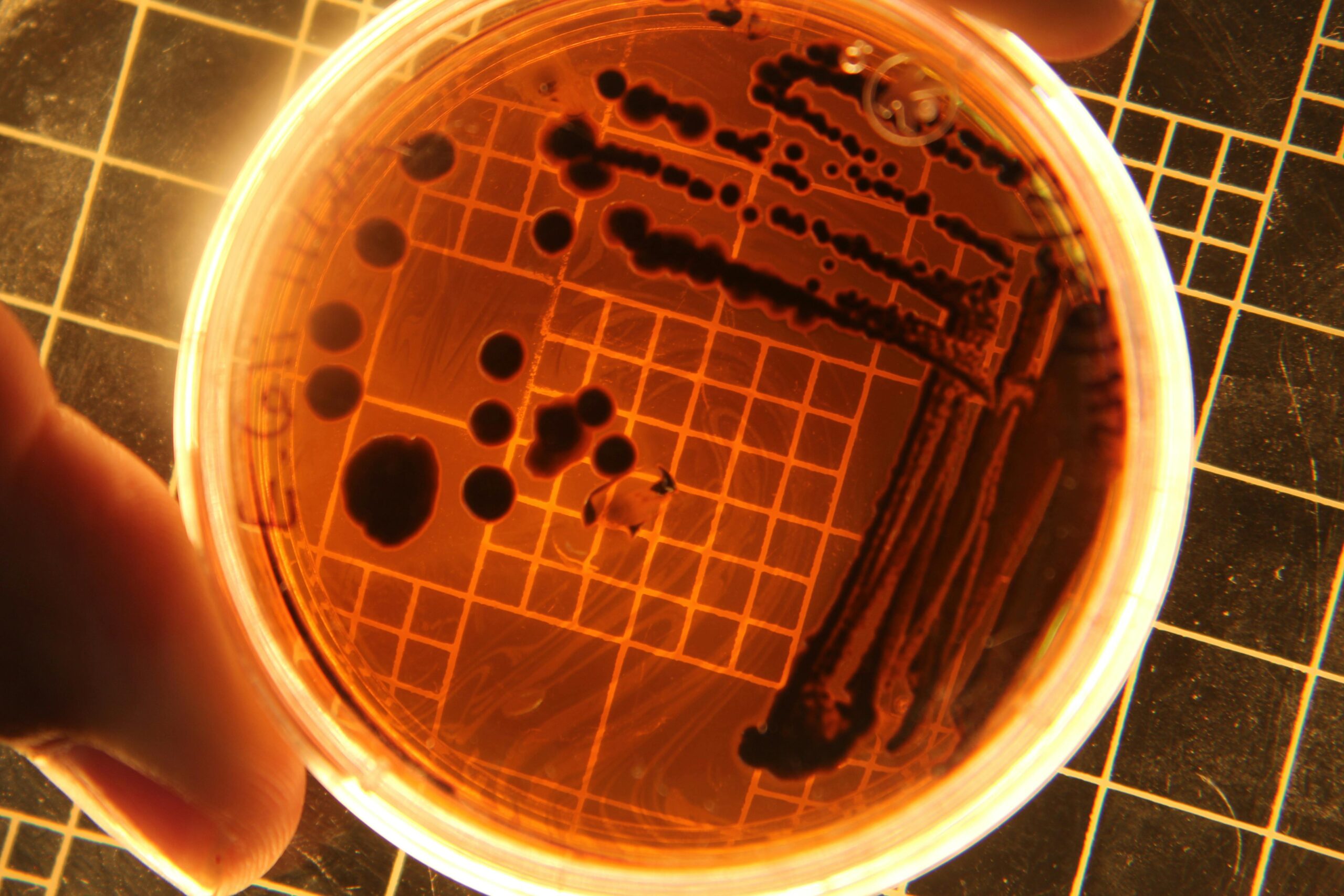
The vast majority of foodborne illnesses come from microbiological contamination—that’s bacteria and viruses that find their way into food.
The Bacterial Suspects
Let me introduce you to the usual suspects in UK kitchens:
- Campylobacter is our number one troublemaker. It’s the most common cause of food poisoning in the UK, and it loves raw poultry. That chicken breast you’re preparing? If it’s not handled properly, it’s a potential carrier. You’ll also find it lurking in untreated water and unpasteurised milk.
- Salmonella is the one everyone’s heard of. Raw meat, poultry, and those uncooked eggs for your hollandaise sauce—they’re all potential sources. It’s why we bang on about proper cooking temperatures.
- Listeria monocytogenes is particularly sneaky. It thrives in chilled, ready-to-eat foods. Think pâté, smoked fish, and those lovely soft cheeses your customers adore. What makes it especially dangerous? It can grow at fridge temperatures.
- E. coli O157 often makes headlines. It’s typically linked to undercooked beef (especially burgers) and contaminated vegetables. Remember that outbreak linked to salad leaves? That was E. coli doing its worst.
The Viral Threat
Then there’s Norovirus—the infamous “winter vomiting bug.”
This one’s a nightmare for busy kitchens.
It’s highly infectious and spreads like wildfire from person to person or via contaminated food and surfaces. One infected staff member who doesn’t wash their hands properly? You could have an outbreak on your hands within days.
Chemical and Physical Contamination
While less common, we can’t ignore chemical and physical contamination.
Cleaning chemicals stored above food prep areas? That’s a serious risk that requires proper training, such as a COSHH Awareness course, to prevent. A piece of glass from a broken light fitting falling into the soup? That’s a lawsuit. These might seem obvious, but in a busy service, mistakes happen.
The UK Reality Check
Let’s talk numbers—because this isn’t just scaremongering.
The Food Standards Agency (FSA) estimates there are around 2.4 million cases of foodborne illness in the UK every year.
That’s 2.4 million people suffering because somewhere along the line, food safety failed. For more information on the symptoms and treatments, the NHS provides excellent guidance on food poisoning.
The cost to the UK economy? We’re talking billions of pounds when you factor in healthcare costs, lost productivity, and the impact on businesses. But here’s the sobering statistic that should make everyone in our industry sit up: an estimated 180 deaths per year are linked to foodborne illness.
That’s 180 families devastated. 180 preventable tragedies.
Your Responsibility: Prevention Through Training
Now, here’s where you come in.
Prevention isn’t complicated. It comes down to the well-known “4 Cs” of food hygiene. But knowing them and implementing them consistently under pressure? That’s where professional training makes all the difference.
The 4 Cs in Practice
- Cleaning isn’t just about making things look nice. It’s about proper handwashing techniques, knowing which sanitisers to use where, and understanding the difference between cleaning and disinfecting.
- Cooking means understanding core temperatures. It’s not enough to cook until something “looks done.” Your team needs to know that chicken must reach 75°C at its thickest part.
- Chilling is about the danger zone—that temperature range between 5°C and 63°C where bacteria throw a party. Your staff need to know how quickly to cool food and how to store it properly.
- Cross-contamination is perhaps the sneakiest risk. It’s the raw chicken juice dripping onto salad vegetables. It’s using the same chopping board for raw and cooked foods.
For a deeper dive into the 4 Cs read this.
From Knowledge to Practice
Here’s the thing: knowing the 4 Cs is one thing.
Implementing them consistently when you’re three hours into a manic Friday night service? That requires proper training and ingrained habits.
Under The Food Safety and Hygiene (England) Regulations 2013, food hygiene training isn’t just recommended—it’s a legal requirement. But beyond compliance, it’s about creating a culture where food safety is second nature.
This is why we’re so passionate about accessible training. It empowers every member of your team to play their part.
For all food handlers, our Level 2 Food Hygiene and Safety course is the industry standard. It covers all these principles in detail, ensuring your staff have the knowledge to work safely and legally.
For those in management or supervisory roles, it’s about building and maintaining that culture of safety. Our Level 3 Food Hygiene for Supervisors course provides the skills to implement and manage a robust food safety management system.
The Real Cost of Getting It Wrong
Think about what foodborne illness means for your business.
One incident can destroy a reputation you’ve spent years building. Social media amplifies every mistake—that customer who got ill won’t just tell their friends anymore. They’ll tell thousands of people online.
The financial impact? Environmental Health Officers can issue hefty fines. For serious cases, there’s no limit. Add legal fees, compensation claims, and lost revenue, and you’re looking at potential bankruptcy.
But let’s be honest—it’s not really about the money, is it?
It’s about that customer who trusted you with their health. It’s about your team’s pride in their work. It’s about being able to sleep at night knowing you’ve done everything right and that you have evidence to prove it.
Building Your Defence: A Culture of Safety
Food safety isn’t a one-person job.
Your head chef might be brilliant, but if your pot wash doesn’t understand cross-contamination, you’ve got a problem. This is where comprehensive training transforms from a legal box-ticking exercise into your strongest defence.
Start with the basics. Every single person who handles food needs Level 2 Food Hygiene
certification. This isn’t negotiable.
Then build upwards. Your supervisors and managers need deeper knowledge. They need to understand how to conduct risk assessments and implement a food safety management system based on HACCP principles. Our Level 2 HACCP course is the perfect starting point for this.
Make it ongoing. Food safety isn’t something you learn once and forget. Regular refresher training and team briefings keep safety front of mind.
Your Next Steps
Foodborne illness is a serious threat, but it’s entirely preventable.
Protecting your customers and your business starts with knowledge. But not just any knowledge—professional, accredited, legally compliant training that sticks.
Don’t wait for an incident to be your wake-up call.
Make sure every food handler on your team holds an up-to-date Level 2 Food Hygiene and Safety certificate. For your team leaders, supervisors, and managers, the Level 3 Food Hygiene for Supervisors course is essential for building a rock-solid safety culture.
Because at the end of the day, food safety isn’t about avoiding fines. It’s about being able to look every customer in the eye and know you’ve done everything in your power to keep them safe.
That’s what being a true professional in the food industry means. And that’s exactly what proper training delivers.