

We’ve all seen the labels: “May contain nuts,” “Made in a factory that handles milk.”
But what do they actually mean? And more importantly, when should your business be using them?
Precautionary Allergen Labelling (PAL) is a voluntary statement that warns customers about the potential unintentional presence of an allergen in a food product. It’s a critical safety tool when used correctly. But here’s the rub: incorrect or overuse of PAL can devalue the warning for allergic consumers and unnecessarily limit their food choices.
Getting it right is crucial for both safety and trust.
What is Precautionary Allergen Labelling?
Let’s clear this up straight away.
PAL is used when there’s a genuine and unavoidable risk of allergen cross-contamination that cannot be removed through careful kitchen management. It’s your last line of defence, not your first.
The Food Standards Agency (FSA) recognises specific phrases for PAL:
- “May contain X”
- “Not suitable for someone with an X allergy”
These are the only phrases you should be using.
Now, here’s where many businesses get confused. PAL is completely different from the legal requirement to label the 14 major allergens when they’re ingredients in your product. That’s mandatory. Non-negotiable.
PAL, on the other hand, is about unintentional cross-contamination.
The FSA is crystal clear on this: PAL should only be used if a risk assessment has shown a real risk that cannot be removed. It’s not a get-out-of-jail-free card. It’s not something you slap on everything “just to be safe.”
The Golden Rule: Risk Assessment First
Here’s what every food business needs to understand:
PAL is not a substitute for Good Manufacturing Practices (GMP) or a robust HACCP plan.
You cannot simply put “may contain” on everything to cover your back. That’s not just poor practice – it’s potentially dangerous for your customers and damaging to your reputation.
So how do you determine when PAL is actually needed?
Step 1: Identify Hazards
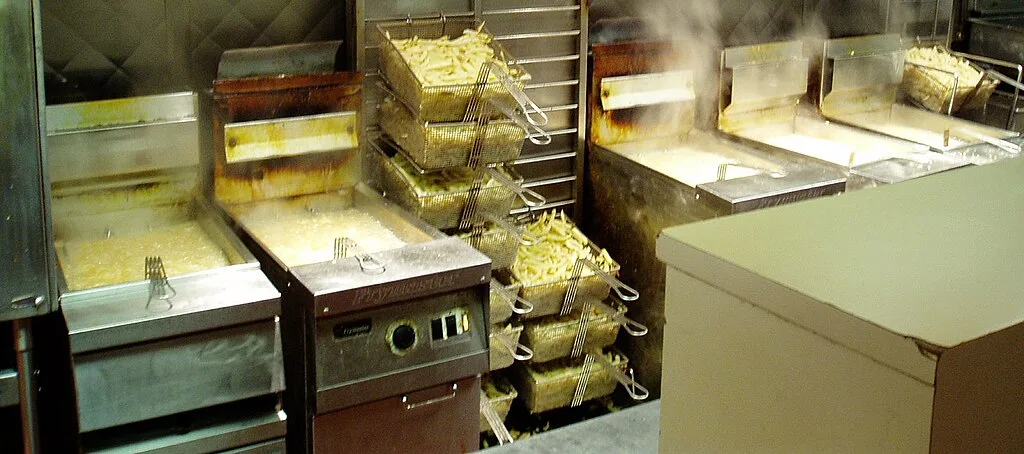
Where could allergens cross-contaminate other foods in your operation?
Think about:
- Shared fryers (classic example: chips cooked in the same oil as battered fish)
- Chopping boards and knives moving between tasks
- Storage areas where allergenic ingredients might spill
- Airborne particles (flour in a bakery is notorious for this)
Walk through your entire operation. Look at every stage from delivery to service.
Step 2: Implement Controls
What steps can you take to control these risks?
This is where you roll up your sleeves:
- Use separate, colour-coded equipment for allergen-containing foods
- Establish thorough cleaning procedures between tasks
- Store allergenic ingredients separately (and below non-allergenic ones to prevent spills)
- Schedule production cleverly (make gluten-free products first thing after a deep clean)
These aren’t suggestions. They’re essential practices that should be happening in your kitchen already.
Step 3: Evaluate the Remaining Risk
After implementing all reasonable controls, ask yourself honestly: is there still a significant, unavoidable risk?
Only if the answer is “yes” should PAL be considered.
For example, imagine you run a chocolate factory. Your production line handles both milk chocolate and dark chocolate. Despite your best cleaning efforts, you cannot guarantee that microscopic milk proteins won’t remain on the equipment. That’s when PAL becomes necessary.
But if you’re a restaurant that can dedicate separate fryers, separate prep areas, and separate storage? Then PAL shouldn’t be your go-to solution.
The UK Reality Check
Let’s talk numbers.
According to Allergy UK, an estimated 2 million people in the UK are living with a diagnosed food allergy, and that’s not including those with intolerances. These aren’t just statistics – they’re your customers, your neighbours, perhaps even your staff.
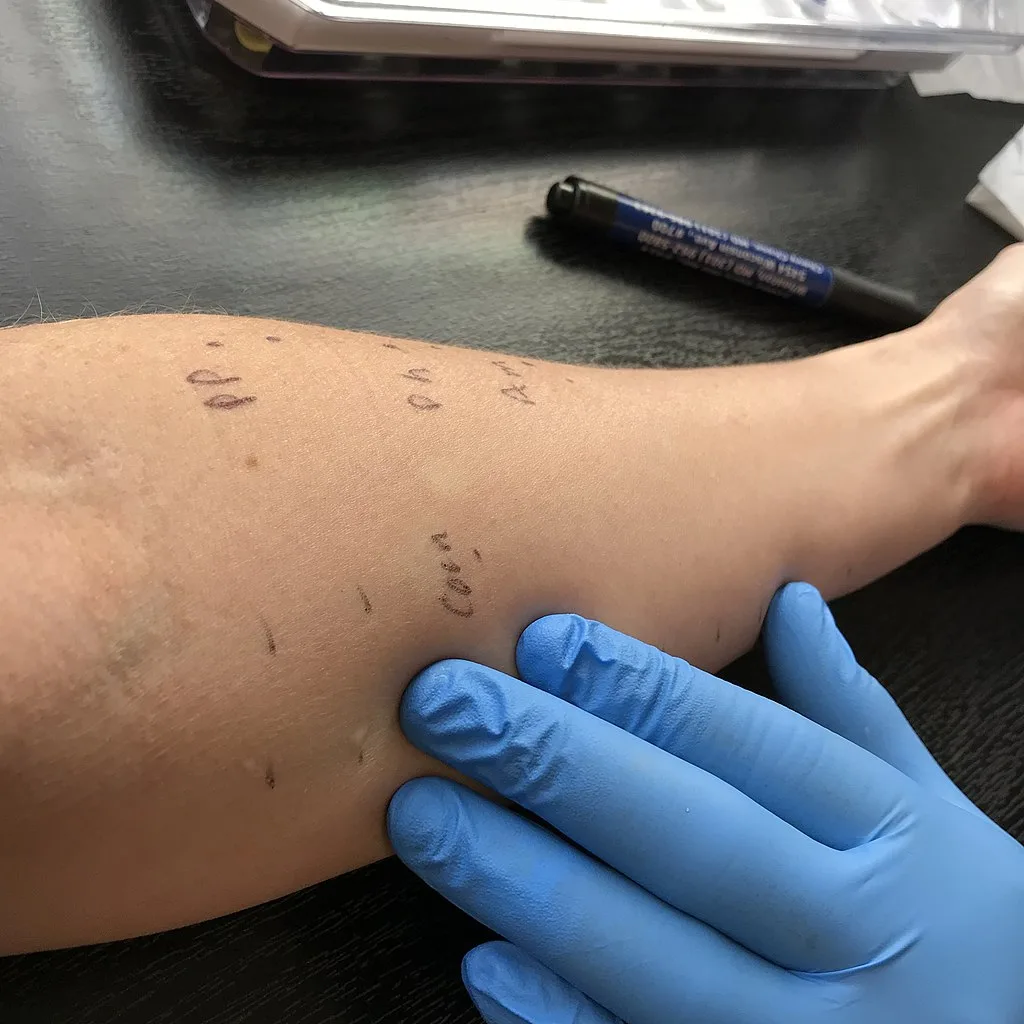
Research shows that consumers with allergies view PAL as a serious warning. But here’s the problem: when they see “may contain” on virtually everything, warning fatigue sets in. They start taking risks because they assume businesses are just being overly cautious.
That’s dangerous territory.
And whilst PAL is voluntary, remember this: all food sold must be safe to eat. Under the Food Safety Act 1990, selling food with an undeclared allergen that causes harm can lead to prosecution, fines, and severe reputational damage. We’re talking potential criminal charges here, not just a slap on the wrist.
Getting It Right: Real-World Examples
Let me paint you a picture of when PAL is and isn’t appropriate.
Appropriate use: A small bakery that produces both standard and gluten-free products in the same kitchen. Despite separate equipment and thorough cleaning, flour particles can remain airborne for hours. After a comprehensive risk assessment, they determine that cross-contamination cannot be completely eliminated. Their gluten-free products carry the warning: “Not suitable for coeliacs.”
Inappropriate use: A café that could easily use separate toasters for gluten-free bread but doesn’t bother. Instead, they slap “may contain gluten” on their gluten-free options. That’s not risk management – that’s laziness.
See the difference?
The Bottom Line
PAL is a vital tool for protecting allergic consumers, but it must be used honestly and as a last resort.
Its use should be the outcome of a rigorous risk assessment, not a shortcut to avoid implementing proper food safety controls.
As food professionals, it’s our duty to provide clear, accurate information. By mastering allergen management, we not only comply with the law but also build invaluable trust with our customers.
Every time a customer with allergies walks through your door, they’re putting their health – potentially their life – in your hands.
That’s not a responsibility to take lightly.
Understanding the principles of cross-contamination and risk assessment is fundamental. Our Level 2 Allergy Awareness course provides the detailed knowledge your team needs to handle allergens safely and make informed decisions about labelling.
For a deeper dive into conducting the necessary risk assessments, our Level 2 HACCP course is the perfect next step for managers and supervisors. It’ll walk you through the systematic approach to identifying and controlling food safety hazards, including allergen management.
For those in leadership roles, our Level 3 Food Hygiene for Supervisors course will equip you to oversee these processes effectively.
Remember: proper allergen management isn’t just about avoiding legal trouble. It’s about being a responsible food business that genuinely cares about every customer who walks through your door.
Get it right, and you’ll build a reputation as a business that can be trusted.
Get it wrong, and the consequences don’t bear thinking about. Contact us today!