

Imagine the premium olive oil you’ve just purchased for your restaurant isn’t olive oil at all. Or the ‘British beef’ in your pies has a questionable origin.
This isn’t just a bad supplier; it’s food fraud.
Food fraud is a growing and costly threat that affects businesses and consumers alike. It’s not just about getting poor value for money – it’s about deliberate deception that can destroy reputations, drain profits, and even harm your customers.
In this article, we’ll break down exactly what food fraud is, where your business is most at risk, and what practical steps you can take to protect yourself.
What Exactly is Food Fraud?
Let’s start with the official UK definition: Food fraud is a dishonest act or omission relating to the production or supply of food, which is intended for personal gain or to cause loss to another party.
In simpler terms?
It’s deliberate deception for financial gain. Someone, somewhere in your supply chain, is lying about what they’re selling you.
The UK’s National Food Crime Unit (NFCU) identifies seven main types of food crime that you need to watch for:

Adulteration: This involves adding a cheaper substance to bulk out a product. Think spices mixed with flour, or olive oil diluted with vegetable oil. It’s one of the most common forms we see.
Substitution: Swapping an ingredient for a cheaper alternative without telling anyone. Remember the 2013 horsemeat scandal? That’s substitution on a massive scale.
Misrepresentation: Falsely claiming a product has a certain quality or origin. Labelling farmed salmon as ‘wild’, or standard chicken as ‘organic’. It’s lying on the label.
Theft: Stealing food products to sell on through legitimate channels. More common than you’d think, especially with high-value items.
Illegal Processing: Preparing food in unapproved premises or re-processing products that should have been destroyed.
Waste Diversion: Selling food intended for disposal back into the food chain. Yes, it happens.
Document Fraud: Forging safety certificates, health marks, or traceability documents. This one’s particularly dangerous as it bypasses all your safety checks.
Each type poses different risks to your business. But they all share one thing in common: they’re deliberate acts designed to deceive for profit.
The Weakest Links: Where in the Food Chain Does Fraud Happen?
Here’s what keeps me up at night: research consistently shows that food fraud is most likely to occur at the end of the supply chain – that’s retail and catering – and during the processing of goods.
Why these points specifically?
Complexity is the fraudster’s friend. Long, complex supply chains create countless opportunities for deception. The further you are from the source, the harder it is to verify authenticity. When your olive oil has passed through five different suppliers before reaching your kitchen, who’s to say where the fraud crept in?
Processing hides a multitude of sins. When food is minced, mixed, or processed, it becomes nearly impossible to identify substituted or adulterated ingredients by sight alone. Ground spices, minced meat, fruit juices – these are all prime targets.
High-value goods attract criminals. Products like organic foods, premium meats, olive oil, honey, and spices are common targets. The price difference between genuine and fake creates massive profit potential for fraudsters at the expense of the consumer and the genuine sellers.
The Real Cost of Food Fraud
Let me be clear: this isn’t a victimless crime.
The global cost of food fraud is estimated to be in the tens of billions of pounds annually. For your business, it means direct financial loss and potentially devastating fines if you’re found selling fraudulent products, even unknowingly.
But money isn’t the only cost.
Reputational damage can be catastrophic. We’ve seen established restaurants close within months of a food fraud scandal. Once customers lose trust, they rarely come back.
Public health is at serious risk. At its worst, food fraud introduces allergens or harmful substances into the food chain. Imagine serving a nut-allergic customer a dish containing undeclared peanut protein used as a cheap bulking agent. It’s not just fraud; it’s potentially fatal.
How Your Business Can Fight Back
The key to protecting your business? Be proactive, not reactive.
This isn’t just about maintaining good hygiene standards. It’s about implementing systems specifically designed to identify and prevent fraud.
Let me introduce you to VACCP – Vulnerability Assessment and Critical Control Points. Think of it as HACCP’s clever cousin, designed specifically to identify and control vulnerabilities to fraud in your supply chain.
Here are the practical steps we recommend to every business:
Know Your Suppliers Inside Out
Don’t just go for the cheapest option. Conduct thorough checks.
Ask for certifications, audit histories, and references. If a deal seems too good to be true, it probably is. We always say: trust, but verify.
Train Your Team to Spot the Signs
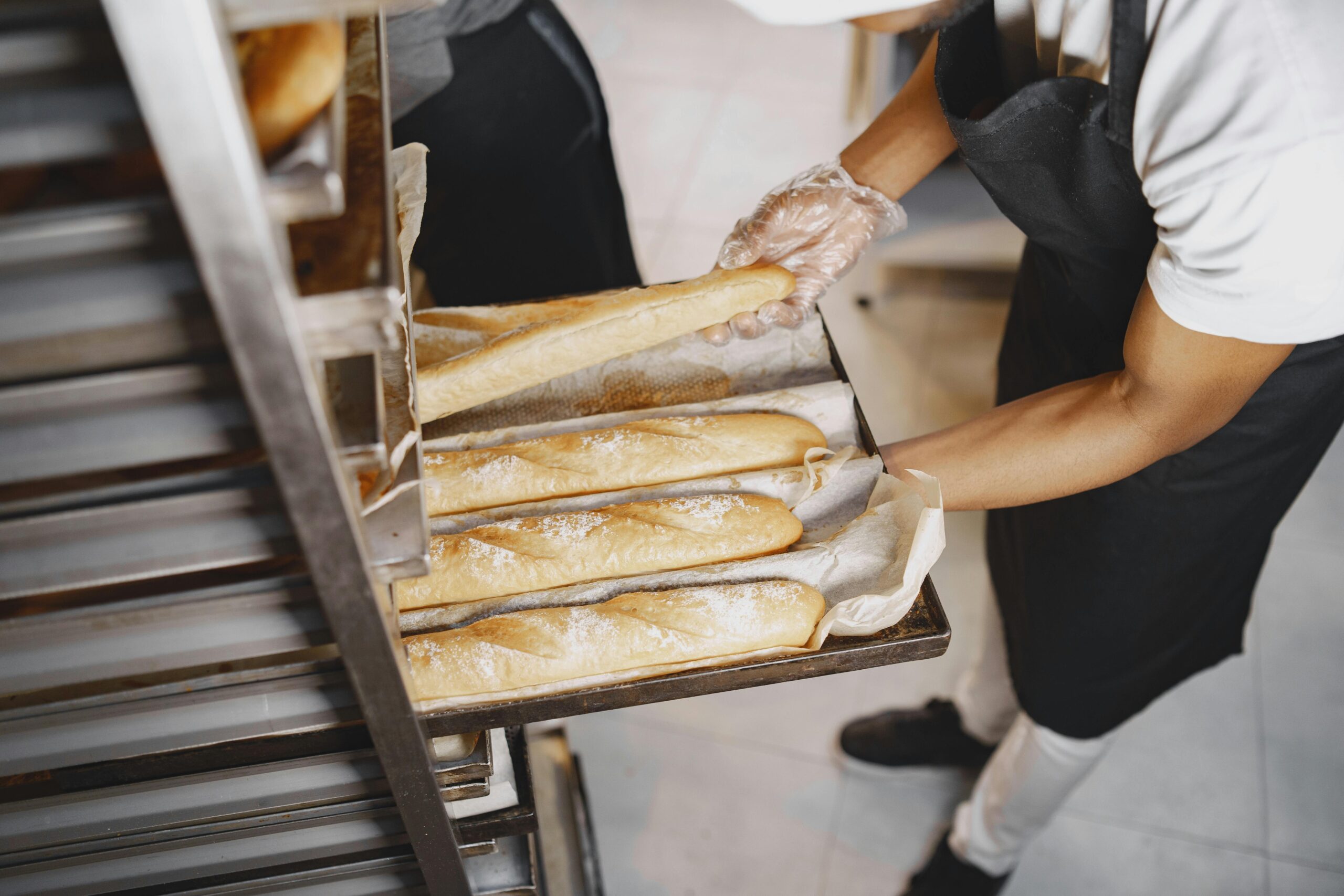
From the person receiving deliveries to the chef in the kitchen, everyone plays a part. Your team needs to know what authentic products look, smell, and feel like. They should question anything unusual.
Check Deliveries Like a Detective
Are the labels correct? Does the product look and feel as it should? Is the documentation complete? Create a culture where staff feel empowered to reject suspicious deliveries.
Implement a Formal System
A structured approach like VACCP, working alongside your HACCP system, is the gold standard for prevention. It systematically identifies where you’re vulnerable and puts controls in place.
Taking Action to Protect Your Business
Food fraud is a serious, deliberate act that thrives on complexity and lack of oversight. The most vulnerable points in your operation are likely to be during processing and at the final stages where you’re furthest from the original source.
But here’s the good news: you’re not powerless against it.
Protecting your business requires more than standard food hygiene practices. It requires a supervisor’s mindset, focused on systems and verification.
Implementing a system like VACCP is a critical step. But, you don’t need to do a whole course to get up to speed. Just search in Google for “VACCP Template” and you’ll have everything you need to implement it.
Before you go Googling for VACCP templates. Consider whether you or your staff could do with food hygiene and safety training. We offer accredited food safety courses spanning HACCP, allergy awareness, and food hygiene and safety, and a lot more – at some of the most competitive prices.