

Imagine a customer asks where the steak on their plate came from. Or worse, you get a notification from a supplier that an ingredient you’ve used all week has been recalled.
What do you do next?
Your answer depends entirely on your traceability system.
Food traceability is simply the ability to track any food through all stages of production, processing, and distribution. Think of it as the complete “story” of a food product – from farm to fork. It tells you where something came from, where it has been, and where it is going.
But here’s the thing:
Traceability is not just another box-ticking exercise for the Environmental Health Officer. It is a fundamental part of modern food safety, brand protection, and legal compliance for any UK food business.
Get it wrong, and you are looking at hefty fines, a damaged reputation, or worse – harm to your customers.
What is Food Traceability, Legally Speaking?
Let’s cut through the jargon.
At its core, food traceability follows the “one step forward, one step back” principle. This is your minimum legal requirement in the UK.

One step back: You must be able to identify who supplied you with any food item or ingredient.
One step forward: You must be able to identify the businesses to which you have supplied your products (unless you are selling directly to the final consumer).
Simple enough, right?
The legal framework comes from Regulation (EC) No 178/2002, also known as the General Food Law. Post-Brexit, this has been retained in UK law, so the rules remain firmly in place. Article 18 of this regulation specifically makes traceability compulsory for all Food Business Operators (FBOs).
That means you. Whether you are running a Michelin-starred restaurant or a local sandwich shop.
So what records do you actually need to keep?
- Name and address of every supplier and customer
- Nature of the products (what exactly did you buy or sell?)
- Date of transaction or delivery
- Batch numbers or lot identification (crucial for targeted recalls)
- Volume or quantity of the products
You must keep these records up-to-date and available for inspection.
Why It’s So Important: The Four Pillars of Traceability
Pillar 1: Protecting Public Health (The #1 Reason)
Here is a sobering fact:
The Food Standards Agency (FSA) issues dozens of allergy and food alerts every single month.
From undeclared nuts to contaminated chicken, the risks are real and constant.
Good traceability allows for fast, targeted, and accurate food recalls.
Instead of a blanket recall of all your products (expensive and damaging), you can isolate the specific affected batch. You minimise waste. You minimise public risk. Most importantly, you prevent food poisoning outbreaks and protect consumers from undeclared allergens.
When a supplier tells you batch X23-45 of minced beef might contain E. coli, you need to know exactly where that batch went. Which dishes? Which customers? Which days?
Without proper traceability, you are flying blind.
Pillar 2: Building Consumer Trust & Transparency
Modern consumers are more curious and cautious than ever.
They want to know about provenance. Animal welfare. Authenticity.
“Is this really British beef?” “Are these eggs actually free-range?” “Where exactly was this fish caught?”
Traceability provides verifiable proof to back up your claims. When you say “locally sourced,” you can prove it. When you advertise “organic,” you have got the paper trail.
This builds invaluable trust with your customers.
And in an age where one bad review can go viral, trust is everything.
Pillar 3: Safeguarding Your Brand & Reputation
A food safety incident can be catastrophic for a brand.
Remember the horsemeat scandal? Some businesses never recovered.
But here is what many people do not realise: How you handle a crisis matters just as much as preventing one.
A robust traceability system demonstrates due diligence. It shows you are a responsible operator who takes food safety seriously. When (not if) something goes wrong, you can respond quickly and professionally.
Handling a recall efficiently can actually enhance your reputation. Customers respect businesses that own their mistakes and fix them fast.
A slow or chaotic response? That is what destroys brands.
Pillar 4: Improving Business Efficiency
Traceability is not just about safety and compliance.
It is a powerful business tool.

Better stock management: You know exactly what is in your fridges, freezers, and storerooms. You can track shelf-life more accurately, rotating stock properly to minimise waste.
Waste reduction: When you spot patterns of spoilage, you can identify the source. Is it a particular supplier? A storage issue? A problem with your delivery schedule?
Process improvement: Traceability data helps you pinpoint inefficiencies in production or handling. Maybe certain ingredients consistently cause delays. Maybe one supplier’s quality is inconsistent.
This is not just about avoiding problems. It is about running a tighter, more profitable operation.
Putting it into Practice
So how do you actually implement effective traceability? Record keeping is everything.
Whether you are using a simple spreadsheet or complex software, consistency is key. Every delivery, every batch, every sale needs to be recorded. No exceptions.
Clear labelling saves lives (and businesses).
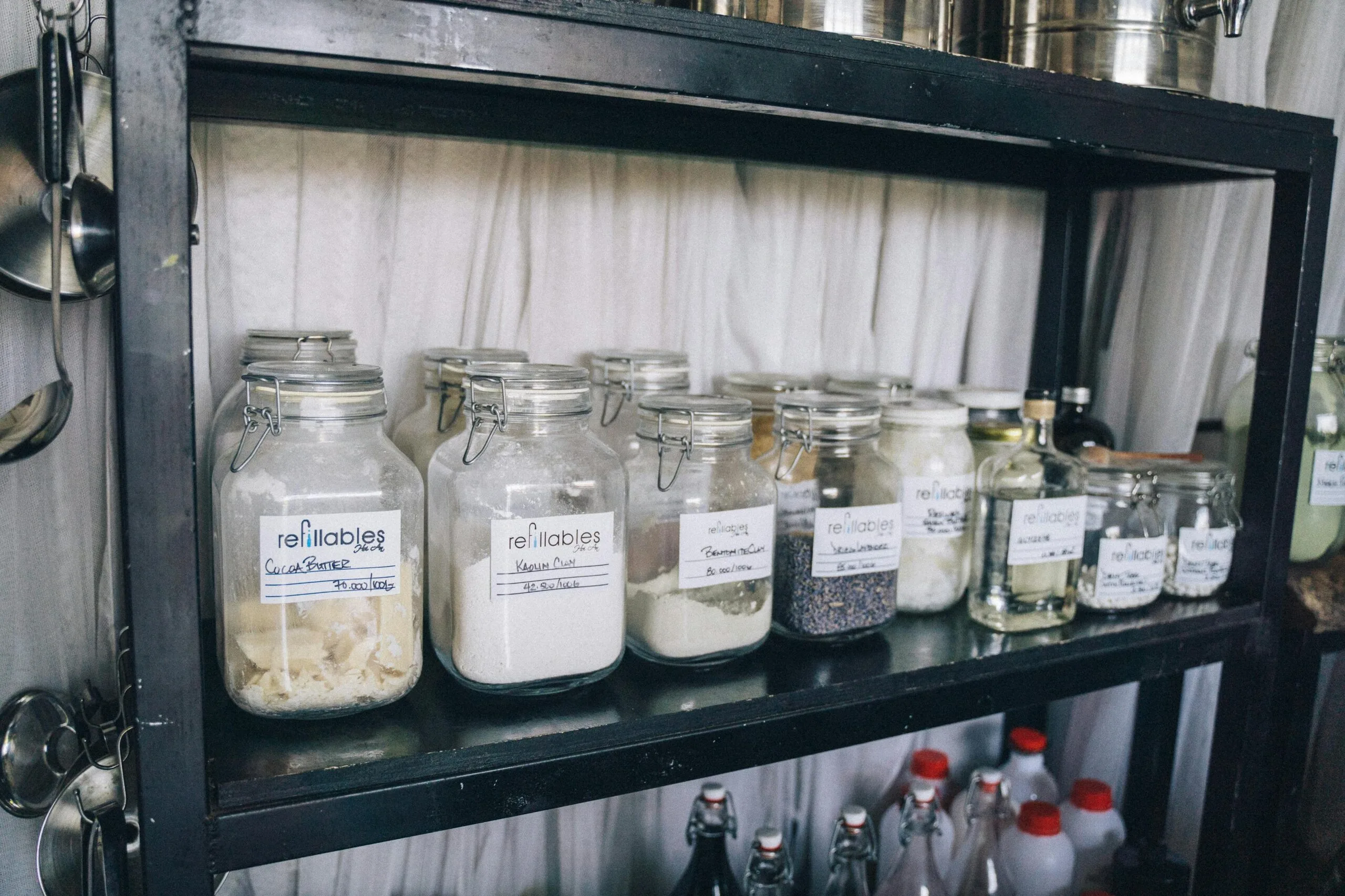
Use clear date codes, batch codes, and supplier information on all incoming goods. When you produce something, label it immediately. Do not rely on memory – in a busy kitchen, details get forgotten.
Your team is your first line of defence. Every member of staff, from kitchen porters to head chefs, must understand their role in maintaining the traceability chain. They need to know why they are recording that batch number or delivery date.
This is not bureaucracy. It is protecting your customers and your business.
The Bottom Line
Food traceability is an essential, non-negotiable part of running a professional food business in the UK.
It is your insurance policy against disaster. It is a tool for building a better, more efficient business. And most importantly, it is how you protect your customers from harm.
But traceability does not exist in isolation. It is part of a comprehensive food safety management system.
Implementing and managing a robust traceability system is a key responsibility for supervisors and managers. It forms a critical part of any HACCP plan. While not technically one of the seven core principles, it is a crucial part of the HACCP documentation, record-keeping, and “prerequisite programs” necessary for HACCP compliance.
If you or your team are not up to date on the latest HACCP best practices, then please take the Level 2 HACCP course as it will help you remain compliant with the law.