

Unlike many bacteria that are stopped by cold temperatures, some actually thrive in them.
That’s a unique danger lurking in professional kitchens across the UK.
Listeria monocytogenes is one of those resilient threats. It’s a bacterium that can grow even in your fridge, making it a serious food safety concern that every chef, kitchen manager, and food handler needs to understand.
The reality is stark: listeriosis (the illness caused by Listeria) can have severe consequences, particularly for vulnerable customers. Pregnant women, elderly diners, and those with weakened immune systems face the highest risk.
But here’s the good news. With the right knowledge and temperature controls, you can eliminate this threat completely.
This article provides clear, no-nonsense guidance on the exact temperatures needed to kill Listeria. We’ll help you protect both your customers and your business’s reputation with practical, actionable advice you can implement today.
Understanding the Threat: What is Listeria?
Listeria monocytogenes is a bacterium found naturally in the environment – in soil, water, and even on vegetation. It can contaminate a wide range of foods during production, processing, or storage.
Here’s what makes it particularly dangerous:
It grows in the cold.
While most bacteria slow down or stop multiplying at refrigeration temperatures, Listeria actually continues to grow at temperatures below 5°C. This unique characteristic makes it a particular risk in chilled, ready-to-eat foods that might sit in your fridge for days.
In UK kitchens, the high-risk foods for Listeria contamination include:
- Pâté and meat spreads
- Soft, mould-ripened cheeses like Camembert and Brie
- Smoked fish and shellfish
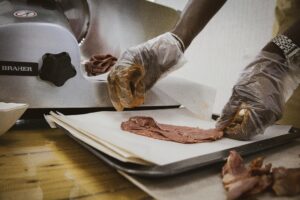
- Deli meats and cured sausages
- Pre-prepared sandwiches and salads
- Unpasteurised dairy products
The groups most vulnerable to listeriosis are pregnant women (where it can cause miscarriage or stillbirth), the elderly, newborns, and individuals with weakened immune systems. For these customers, what might be a mild illness for others can become life-threatening.
As food professionals, we have a duty of care to protect these vulnerable groups through proper temperature control and food handling practices.
The Critical Temperatures for Killing Listeria
Let’s get straight to the point.
According to the Food Standards Agency, food must reach a core temperature that is hot
enough for long enough to kill any harmful bacteria.
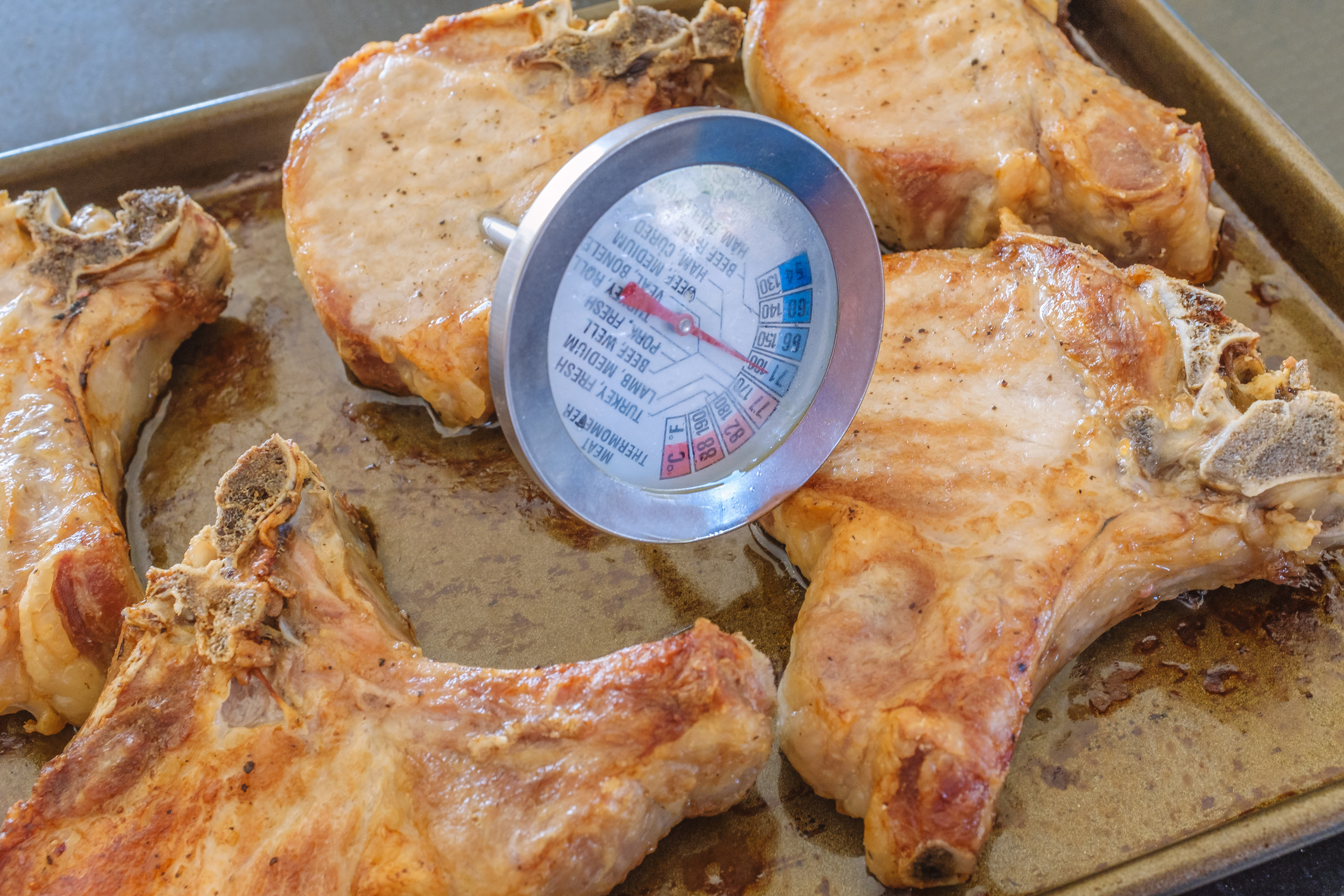
To kill Listeria, food must reach a core temperature of 70°C for 2 minutes.
That’s from the UK food safety standard, and it’s non-negotiable.
There’s also an equivalent temperature-time combination that’s widely accepted: 75°C for 30 seconds. Many chefs prefer aiming for 75°C as it provides a clear, safe target that’s easy to remember and verify.
But here’s the crucial bit:
Visual checks aren’t enough. You can’t tell if food has reached these temperatures just by looking at it.
The only way to be certain is by using a clean, calibrated food probe to check the core temperature – that’s the thickest part of the food. Steam rising from a dish doesn’t guarantee safety. A golden-brown exterior doesn’t mean the centre is hot enough.
You need that probe reading.
Applying Temperature Controls in Your Kitchen
These critical temperatures apply to two key processes:
Cooking raw foods: When cooking raw items like chicken, sausages, minced meat products, or any potentially contaminated ingredients, ensure they reach 70°C for 2 minutes (or 75°C for 30 seconds) at their core.
Reheating pre-cooked foods: This is where many kitchens slip up. When reheating pre-cooked food from a chilled state, it must reach the same temperatures. The food should be steaming hot all the way through – not just warm, not just heated, but properly hot throughout.
Remember: Listeria might have been growing whilst that food sat in your fridge. Proper reheating is your chance to eliminate any bacteria that developed during storage.
We often see kitchens that are meticulous about cooking temperatures but casual about reheating. That’s a dangerous oversight. Treat reheating with the same rigour as initial cooking.
Beyond Temperature: A 3-Point Listeria Control Plan
Temperature control is critical, but it’s just one part of your defence against Listeria.
Here’s a simple, actionable checklist for your kitchen:
1. Respect the ‘Use-By’ Date
Since Listeria grows in the cold, the ‘use-by’ date on chilled, ready-to-eat products isn’t just a quality guide – it’s a critical safety control.
Once you’ve opened a product, follow the instructions precisely. If it says ‘consume within 2 days’, that’s not a suggestion. Mark the opening date clearly and stick to it.
We’ve seen too many kitchens treat these dates casually. Don’t be one of them.
2. Prevent Cross-Contamination
Listeria spreads easily from raw foods or contaminated surfaces to ready-to-eat items.
Your defence? Rigorous separation.
Use separate chopping boards for raw and ready-to-eat foods. Keep separate utensils. Wash your hands thoroughly between tasks. Store raw foods below ready-to-eat items in the fridge.
These aren’t just good practices – they’re essential barriers against contamination.
3. Keep it Clean
Fridges, slicers, and prep areas can harbour Listeria for weeks if not properly cleaned.
Your cleaning schedule needs to be robust and consistent. Pay special attention to:
- Fridge door seals and shelves
- Meat slicers and their components
- Chopping boards and work surfaces
- Any equipment used for ready-to-eat foods
Use appropriate sanitisers and follow contact times. A quick wipe isn’t enough when you’re dealing with Listeria.
Taking Control of Listeria Risk in Your Kitchen
Let’s recap the essentials.
Listeria is a serious risk because of its unique ability to grow in cold temperatures. But despite this resilience, it’s easily destroyed by proper cooking and reheating to 70°C for 2 minutes (or 75°C for 30 seconds).
Managing these risks isn’t optional – it’s a non-negotiable part of being a food professional and a key component of any HACCP plan.
Every member of your team needs to understand these critical temperature controls. From the newest kitchen porter to your most experienced chef, everyone plays a role in food safety.
Ensuring your team has the proper training isn’t just about compliance – it’s about protecting lives.
Our Level 2 Food Hygiene and Safety course provides the essential, legally-compliant training your staff need to understand and implement these controls effectively.
For managers and supervisors responsible for implementing food safety systems, our Level 3 Food Hygiene for Supervisors course will give you the confidence to effectively manage these risks and create a culture of food safety in your kitchen.
Remember: when it comes to Listeria, knowledge and temperature control are your most powerful tools. Use them wisely.