

If you run a food business in the UK, Salmonella should be on your radar.
It’s not just about the risk of making customers ill — though that’s serious enough. We’re talking about potential brand damage that can take years to recover from. Legal action from local authorities. And the very real possibility of someone ending up in hospital because of something served from your kitchen.
Salmonella remains one of the most common causes of food poisoning in the UK.
The Food Standards Agency estimates around 10,000 cases occur each year. And here’s the thing: every single one of those cases was preventable.
In this article, we’ll cut through the confusion and give you the precise, science-backed temperatures you need to know to keep your food, your customers, and your business safe.
What is Salmonella and Where is it Found?
So, what exactly is it?
Salmonella is a type of bacteria commonly found in the gut of animals.
When it gets into food, and then into people, it causes an illness called salmonellosis, which is a nasty form of food poisoning.
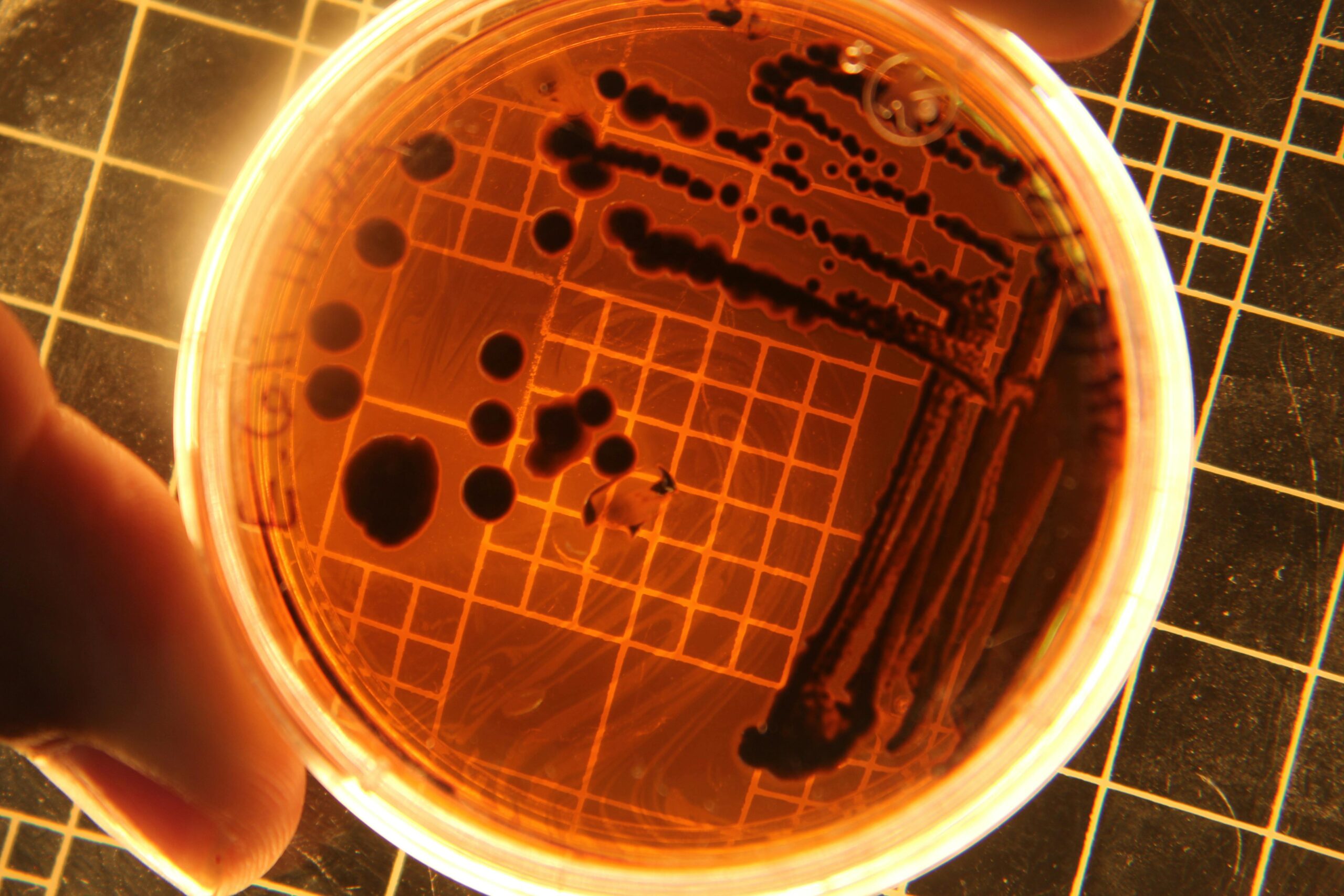
The symptoms aren’t pleasant. We’re talking diarrhoea, fever, and stomach cramps that typically start anywhere from 6 hours to 6 days after infection. For most healthy adults, it’s a miserable few days. But for vulnerable groups — young children, the elderly, pregnant women, and those with weakened immune systems — it can be life-threatening.
So where does it lurk in your kitchen?
Raw meat, especially poultry, is the biggest culprit. Chicken and turkey are particularly high-risk.
But it’s not just poultry you need to watch. Pork can harbour Salmonella too.
Eggs are another common source. Now, if you’re using UK hen eggs produced under the Lion Code scheme, the risk is very low. But it’s still best practice to cook eggs thoroughly when serving vulnerable people. And if you’re using eggs from other sources, or making products like homemade mayonnaise, the risk increases significantly.
Unpasteurised milk and dairy products can also carry Salmonella. This is why pasteurisation exists — it’s a heat treatment specifically designed to kill harmful bacteria.
The bacteria can also spread through cross-contamination. Use the same chopping board for raw chicken and salad without proper cleaning in between? You’ve just potentially transferred
Salmonella to food that won’t be cooked.
The Golden Rule: The Temperature and Time to Kill Salmonella
Let’s get straight to what you need to know.
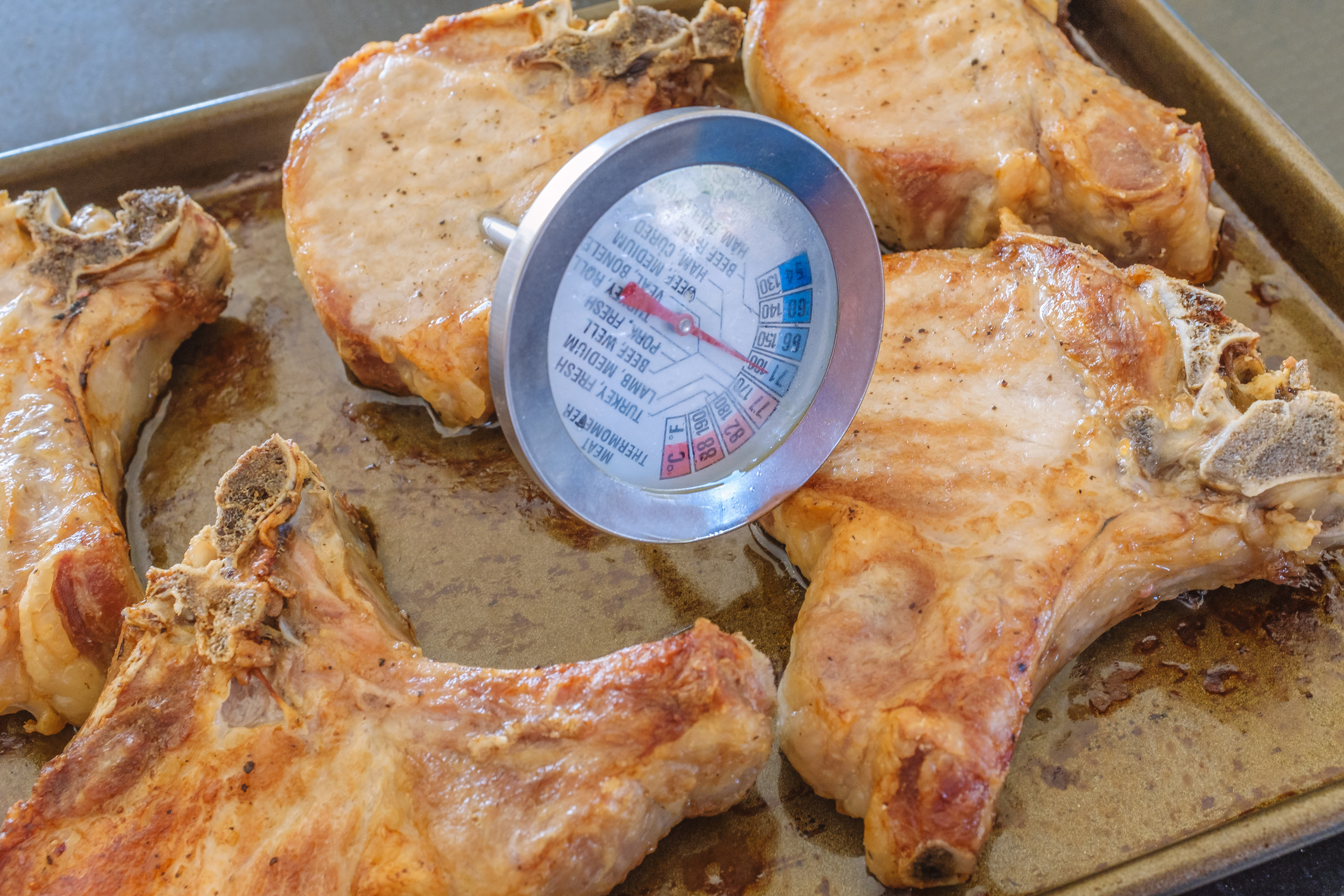
The UK’s Food Standards Agency (FSA) advises that cooking food to a core temperature of 75°C will kill Salmonella and other harmful bacteria instantly.
That’s your golden number: 75°C.
But there’s another combination that’s equally effective and often used in professional kitchens: reaching a core temperature of 70°C and holding it for 2 minutes.
Why two different standards? It’s about giving you flexibility whilst maintaining absolute safety. In a busy service, hitting 75°C instantly might be more practical. When batch cooking or holding food, the 70°C for 2 minutes rule might work better.
Other safe combinations exist — 65°C for 10 minutes, for instance. But let’s be honest: in the heat of service, simplicity saves lives. Stick to either 75°C instantly or 70°C for 2 minutes. These are the industry standards for a reason.
Here’s something crucial to remember: bacteria, including Salmonella, multiply fastest in what we call the ‘Danger Zone’ — between 5°C and 63°C. At room temperature, Salmonella can double in number every 20 minutes. That’s why getting food through this temperature range quickly and reaching those safe cooking temperatures is absolutely critical.
Think about it this way: every degree below 70°C is giving Salmonella a chance to survive.
Every minute in the Danger Zone is an opportunity for bacteria to multiply. Proper cooking to the correct temperature isn’t just good practice — it’s your primary defence against food poisoning.
How to Be Sure: Using a Probe Correctly
“The juices run clear.”
“It looks cooked through.”
“The meat’s not pink anymore.”
We’ve all heard these old kitchen tales. And whilst they might have served our grandmothers well, they’re not reliable scientific methods. You cannot see bacteria. You cannot tell by looking whether food has reached a safe temperature.
A calibrated probe thermometer is the only way to be certain.
Using one properly isn’t complicated, but it does require attention to detail:
First, make sure your thermometer is calibrated. This should be part of your daily checks. A thermometer that’s reading incorrectly is worse than useless. It’s dangerous.
Insert the probe into the thickest part of the food. This is where the heat takes longest to penetrate. Avoid touching bone or gristle, as these can give false readings.
Wait for the reading to stabilise. Don’t rush this. A few extra seconds to get an accurate reading could prevent a food poisoning outbreak.
And here’s the bit many people forget: clean and disinfect the probe before and after every use.
Think about it — you’ve just stuck that probe into raw chicken to check if it’s cooked. If you don’t clean it properly before checking the next item, you’re potentially spreading Salmonella around your kitchen.
For larger joints of meat or whole birds, check multiple spots. The temperature can vary significantly across a large piece of food. The breast might be at 75°C whilst the thigh joint is still at 65°C.
That’s not safe.
Beyond Temperature: Other Critical Control Points
Knowing the right temperature is essential. But it’s only part of the story.
Reheating is where many businesses slip up. When you reheat food, you must reach 75°C throughout. Not warm. Not hot. 75°C. And here’s the kicker — you should only reheat food once. Every cycle of cooling and reheating is another opportunity for bacteria to multiply if you don’t get it right.
Hot holding is another critical control point. Once food is cooked, if you’re keeping it hot for service, it must stay above 63°C. Below that, you’re back in the Danger Zone. Use proper hot holding equipment. Check temperatures regularly. And have a clear policy on how long food can be held. Even at the correct temperature, quality deteriorates over time.
Cooling food safely is just as important as cooking it properly. You need to cool food from 70°C to 3°C within 90 minutes. That’s not a suggestion — it’s a legal requirement.
Large volumes of food cool slowly, spending dangerous amounts of time in the Danger Zone. Break food down into smaller portions. Use blast chillers if you have them. And always cover and label food before refrigerating.
Special Considerations for High-Risk Foods
Some foods need extra attention.
Minced meat products — burgers, sausages, meatballs — are particularly high-risk. Why?
Because the grinding process distributes any bacteria throughout the product. With a steak, bacteria are mainly on the surface. With a burger, they could be anywhere. That’s why burgers must be cooked through completely, whilst a steak can be served rare.
Poultry should always be cooked thoroughly. No exceptions. It doesn’t matter if the customer asks for their chicken “slightly pink”. There should never be exceptions to the rule in a professional kitchen. The risk is simply too high.
Eggs deserve special mention. If you’re using Lion Code eggs for most dishes, you’re relatively safe. But when cooking for vulnerable groups (in hospitals, care homes, nurseries) always cook eggs until both white and yolk are solid. And if you’re making products that won’t be cooked further, like mayonnaise or mousse, consider using pasteurised egg products instead.
Shellfish can carry various pathogens, not just Salmonella. Follow the 70°C for 2 minutes rule religiously. And remember; if shellfish don’t open during cooking (mussels, clams), bin them.
They were dead before cooking and could be unsafe.
What Happens When Things Go Wrong?
Let me paint you a picture of what happens when temperature control fails.
A customer eats contaminated food. Within hours or days, they’re violently ill. They report it to their GP, who notifies Public Health England. Environmental Health officers arrive at your premises for an investigation.
They’ll check your temperature records. They’ll review your HACCP procedures. They’ll interview staff. They’ll take samples.
If they find failures in temperature control, or you don’t have the necessary records, you’re looking at:
- Improvement notices requiring immediate action
- Potential prosecution with unlimited fines
- Possible closure of your business
- Civil claims from affected customers
- Devastating publicity that can destroy a reputation built over years
I’ve seen established businesses shut down permanently over a single outbreak linked to inadequate temperature control.
But here’s the thing — it’s entirely preventable.
Building a Culture of Temperature Safety
Getting temperatures right isn’t just about knowing the numbers. It’s about creating a culture where food safety is non-negotiable.
Train every member of your team. Not just the chefs — everyone who handles food needs to understand why these temperatures matter. When people understand the ‘why’ behind the rules, they’re far more likely to follow them consistently.
Make temperature checking routine, not exceptional. It should be as automatic as seasoning food or plating up. Build it into your workflows so it doesn’t feel like an extra task.
Keep detailed records. Not just because Environmental Health will want to see them, but because they help you spot patterns. If certain dishes consistently struggle to reach temperature, you can address the root cause.
Invest in proper equipment. Multiple probe thermometers so there’s always one clean and ready. Colour-coded boards and utensils to prevent cross-contamination. Hot holding equipment that maintains temperature reliably. This isn’t where you cut costs.
Lead by example. When the head chef takes temperatures seriously, so does everyone else. When management invests in food safety training, it sends a clear message about priorities.
Conclusion: Knowledge Into Action
So there you have it. The core temperature of 70°C for 2 minutes, or 75°C instantly — is your target to eliminate Salmonella.
Simple numbers. Potentially life-saving knowledge.
But knowing the numbers is just the first step. Ensuring every member of your team understands why these rules exist and how to follow them consistently — that’s what creates a truly safe food culture.
This is where proper training becomes invaluable. Our Level 2 Food Hygiene and Safety course gives every food handler the essential knowledge they need to prevent food poisoning. It’s not just about passing a test — it’s about understanding the science behind safe food handling and being able to apply it every single day.
For managers and supervisors, our Level 3 course provides the detailed knowledge needed to manage food safety systems effectively. You’ll learn how to implement controls, monitor critical points, and build that culture of safety we’ve been discussing.
And if you want to integrate all of this into a comprehensive safety plan, our Level 2 HACCP course shows you how to identify hazards, implement controls, and maintain the documentation that proves you’re taking food safety seriously.
Food safety isn’t just about avoiding disaster — though that’s certainly important. It’s about professional pride. It’s about knowing that every plate leaving your kitchen is not just delicious, but safe. It’s about being able to sleep soundly, knowing you’ve done everything right.
That’s the standard we should all be aiming for. Not just compliance, but excellence.
Because at the end of the day, we’re not just feeding people — we’re responsible for their wellbeing. And that’s a responsibility I know you take as seriously as we do.