When is Food Hygiene Training Most Effective?
When is Food Hygiene Training Most Effective? Food hygiene training works best when it happens before your staff handle food, not weeks after they’ve started.…

When is Food Hygiene Training Most Effective? Food hygiene training works best when it happens before your staff handle food, not weeks after they’ve started.…
Legislation: Who Should Attend Food Hygiene Training (UK) If you run a food business in the UK, you’ve probably asked yourself: who should attend food…
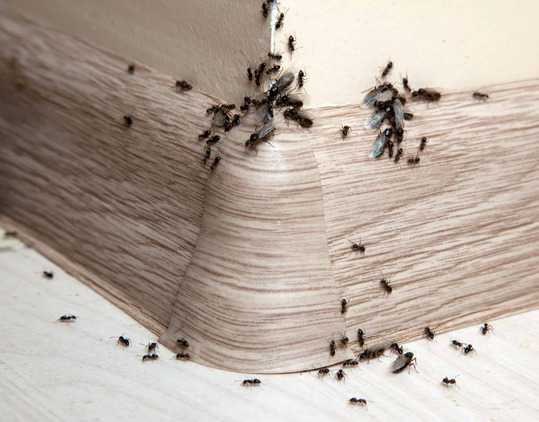
Why Pests Are Attracted to Food Preparation Areas & What You Can Do A single mouse dropping on a kitchen counter. A cockroach scurrying behind…
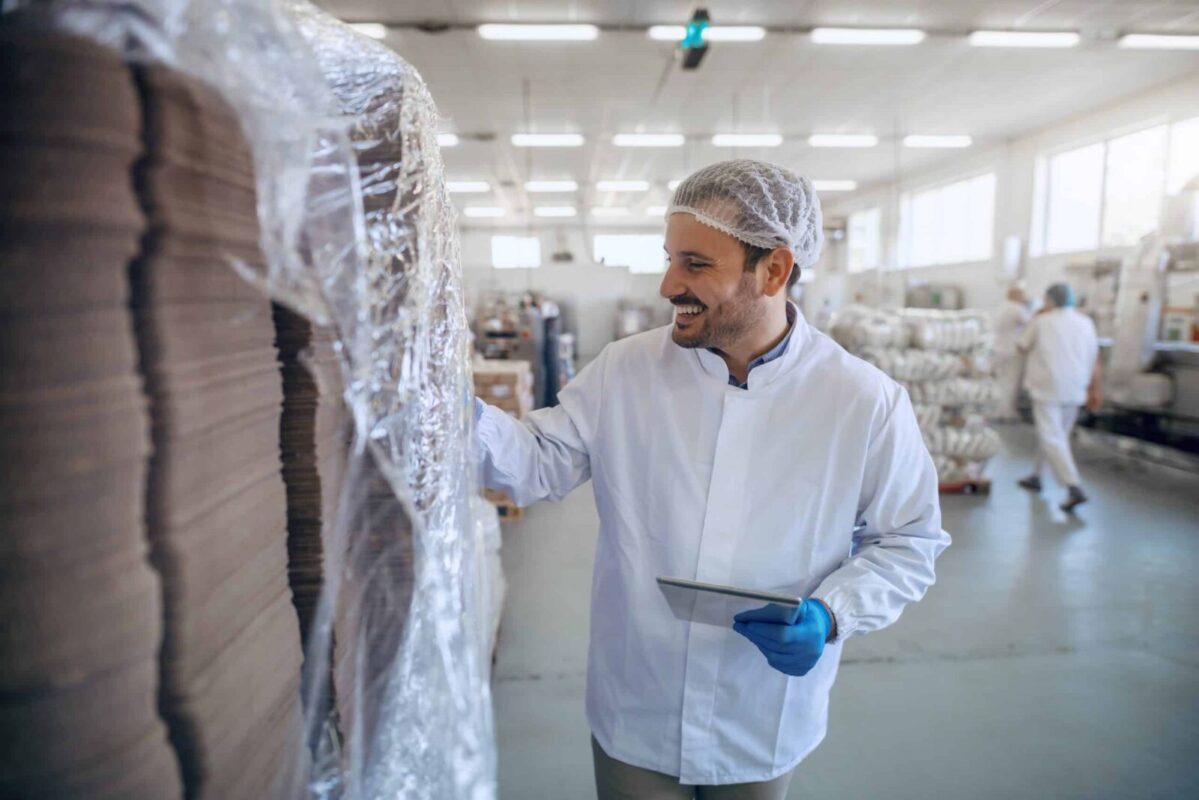
Why Protective Clothing is Needed When Handling Food Your everyday clothes carry dust, bacteria, pet hair, and invisible contaminants. Wear those same clothes in a…
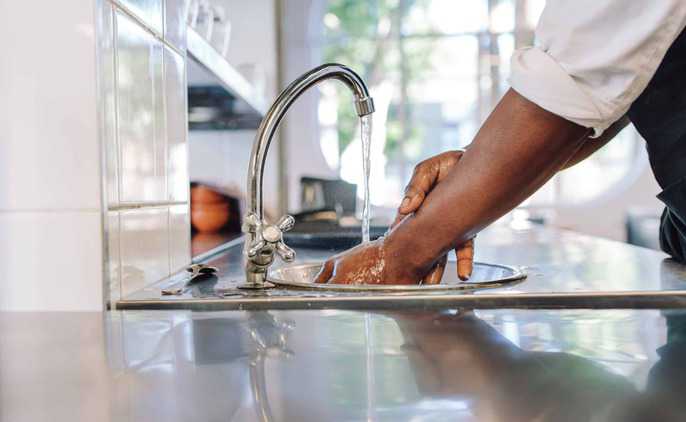
Where to Wash Food Handling Equipment Explained Washing your chopping boards in the handwash sink might seem harmless. But it is one of the most…
Imagine a customer asks where the steak on their plate came from. Or worse, you get a notification from a supplier that an ingredient you’ve…
Imagine the premium olive oil you’ve just purchased for your restaurant isn’t olive oil at all. Or the ‘British beef’ in your pies has a…
We’ve all seen the labels: “May contain nuts,” “Made in a factory that handles milk.” But what do they actually mean? And more importantly, when…
In a professional kitchen, a sparkling clean surface is more than just good presentation—it’s the first line of defence against food poisoning and a cornerstone…
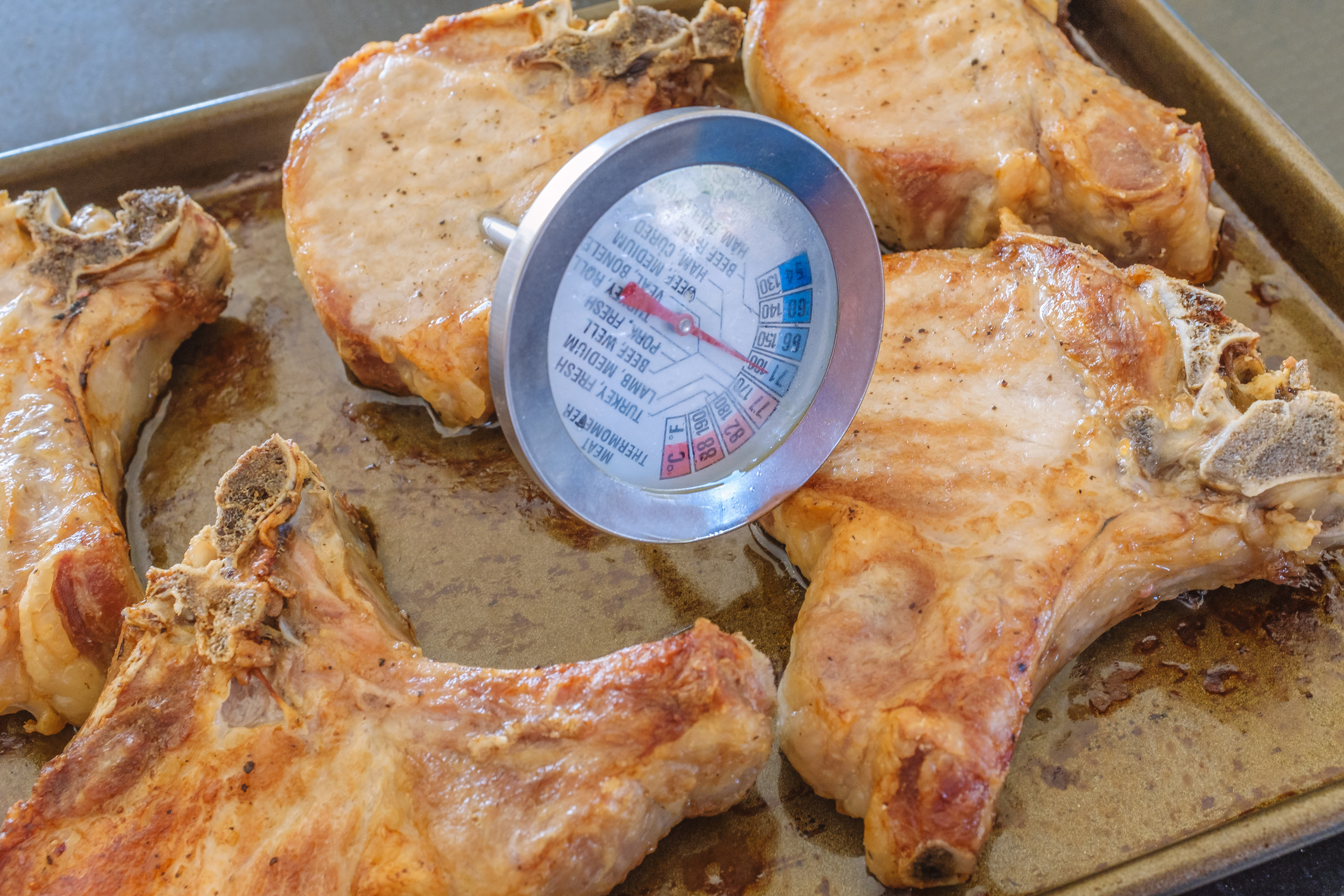
If you run a food business in the UK, Salmonella should be on your radar. It’s not just about the risk of making customers ill…
We’ve all heard someone say they’ve had a “dodgy tummy” or a “bout of food poisoning”. But for those of us in the food industry,…
Unlike many bacteria that are stopped by cold temperatures, some actually thrive in them. That’s a unique danger lurking in professional kitchens across the UK.…